

Cremation serves as a modern option for final rites. This method not only provides a cost-effective alternative to traditional burial, saving families considerable expenses, but it also appeals to environmentally conscious individuals by reducing land use.
What Is Cremation?
Cremation is a process that reduces a deceased individual’s body to bone fragments by exposing it to intense heat.1 This process typically takes place in a specialized facility known as a crematory, where a cremation chamber or retort is utilized. The intense heat ensures the complete vaporization of soft tissues, leaving only bone fragments behind. These bone fragments, referred to as cremated remains or ashes, are then processed further to achieve a consistent texture, resembling coarse sand or fine gravel.
Cremation has gained significant popularity as an alternative to traditional burial due to various factors. One key advantage is its space-saving nature. Cremation requires a significantly smaller amount of land compared to traditional burial, making it a suitable option in densely populated areas or for individuals who prefer a more environmentally friendly disposition method. Additionally, cremation is more affordable than traditional burial options.2
A Dignified Alternative to Traditional Burial
Cremation presents a dignified and respectful alternative to traditional burial, offering numerous advantages that cater to the evolving preferences and needs of individuals and families. One significant advantage of cremation is its cost-effectiveness. Compared to traditional burial, cremation typically incurs lower expenses, making it a more affordable option for families facing financial constraints.
Cremation also provides a more environmentally sustainable option compared to traditional burial. Traditional burial practices require the use of caskets, which are often made from non-biodegradable materials such as metal or hardwood. These materials can take hundreds of years to decompose, potentially harming the environment. In contrast, cremation reduces the body to its basic elements, releasing only harmless gases and water vapor into the atmosphere. Furthermore, cremation requires less land, making it a more eco-friendly choice, especially in areas with limited space.
The dignified nature of cremation is further enhanced by the respectful handling of the deceased throughout the process. Crematories adhere to strict protocols to ensure that the remains are treated with utmost care and reverence. Families can also choose to witness the cremation process, providing them with a sense of closure and involvement in their loved one’s final journey.
Personalize a Meaningful Tribute
Cremation provides numerous customization possibilities, allowing families to craft a poignant and distinct homage to their loved ones. A favored choice involves scattering the ashes at a location deeply meaningful to the deceased, such as a beloved park or cherished getaway, enhancing a sense of closeness and memorialization by connecting the deceased with a place they adored.
Alternatively, placing the cremated remains in a cemetery plot or columbarium niche offers a timeless resting spot, where relatives and friends can gather to honor their memory. These facilities typically present various memorial options like headstones, plaques, or customized markers, helping families forge an enduring celebration of their loved one’s character and life.
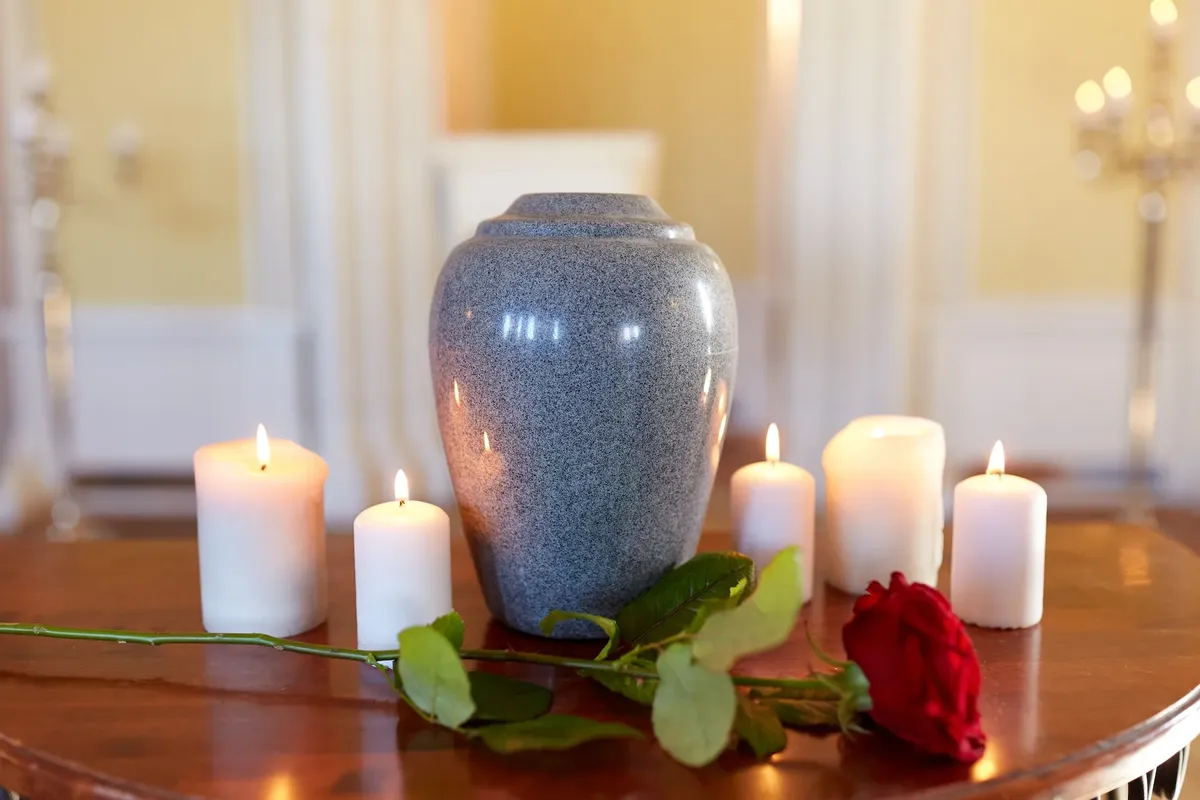
For those desiring to keep their loved one nearby, retaining the cremated remains in an urn within the home is another option. This choice fosters a lasting bond and presence with the deceased. Available in a spectrum of materials, styles, and sizes, decorative urns allow families to select one that best suits their aesthetic preferences and commemorates the memory of their loved one.
Learn More About Cremation
Cremation stands out as a respectful and practical choice for final arrangements, offering both environmental benefits and financial relief. It allows families to honor their loved ones in a manner that aligns with modern values and personal preferences, from scattering ashes in cherished locations to selecting sustainable and personalized memorials. As more individuals seek alternatives to traditional burial, cremation emerges as a meaningful and adaptable solution that respects both the departed and the planet.